
Live Awesome!
What Do You Take With You When You Die?

by Ahsan
“Memento mori: remember that you will die.”
The phrase comes from ancient Rome. A servant or slave would whisper it to a victorious general during a triumphal parade to remind him of his mortality.
This ancient Stoic reminder is not meant to frighten us or make life feel heavy. It is an invitation to remember that our time is limited, so we can give our attention to what matters most while we are still here.
Today’s article may come off as a bit somber.
But it is not meant to be sad. In fact, remembering that life is temporary can help us appreciate it more deeply.
We live our lives often as though we are here forever.
We want things to go our way.
We want certain things not to happen to us.
We try our best to achieve our goals.
Our greatest concern, usually, is to make life as pleasant as possible for ourselves and for the people we love.
This is how a human being is designed. We want what we believe is best for us. We buy many things to make ourselves feel good and happy, and we do many things that we feel are important to our lives.
There is nothing wrong with enjoying life.
There is nothing wrong with working hard, building wealth, playing golf or pickleball, traveling, eating well, laughing with friends, and creating a comfortable home.
The question is not whether we should enjoy the gifts of life.
The deeper question is whether we remember that these gifts are temporary—and whether we use them in ways that bring goodness to others.
One thing is certain: we will all leave this world. And when we leave it, we take nothing with us.
Nothing.
So what does this mean?
It means that the wealthiest king, queen, or billionaire leaves with nothing more in their hands than an average person like you or me.
That may sound like a sobering thought, but it is not meant to be a defeating one.
It can be a liberating thought. Empty hands at death mean we need to provide helping, loving hands while we are alive.
If we cannot take our possessions, status, accomplishments, or bank accounts with us, then perhaps they were never meant to be the final measure of our lives.
The Stoics understood this. They encouraged people to focus on what was within their control: their choices, their character, their kindness, and the way they responded to life.
And Sydney Banks’ understanding of Mind, Consciousness, and Thought offers another helpful perspective. Our moment-to-moment experience is created through thought brought to life by consciousness. This means that, even when circumstances are difficult, a new thought—and therefore a fresh experience—can appear. We are not required to live forever inside yesterday’s fear, regret, or disappointment.
We can return to clarity.
We can return to gratitude.
We can return to the simple understanding that life is happening now.
As Marcus Aurelius wrote:
“You have power over your mind—not outside events. Realize this, and you will find strength.”
I am all for getting after life, accumulating the things that float your boat, doing the things that make you happy, and praying for certain difficulties never to visit you or your loved ones.
However, the interesting question is this:
What can we also focus on so that the life we live is enjoyed to the fullest—and so that the goodness of what we had, did, and prayed for continues to linger even after we are gone?
A meaningful life is not necessarily a famous one.
It may be a life in which you gave someone courage when they were discouraged. A life in which you offered patience instead of anger, encouragement instead of criticism, and presence instead of distraction.
It may be the life of someone who quietly made other people feel seen, valued, and capable.
As the writer and philosopher Ralph Waldo Emerson expressed it:
“To know even one life has breathed easier because you have lived. This is to have succeeded.”
Here are three things to consider:
Focus on at least four things that make you happy, and make sure you are doing them every week. For me, that means offering a word of support or an idea to friends and family, playing a bit of golf or pickleball, spending time reading, and building my relationships with my immediate family members.
Leave behind shade so that the tree of your life continues to comfort people. That shade may come from happiness, encouragement, wisdom, or even the financial support you lovingly gave to people or causes around you. The important thing is that your life provides relief, nourishment, or hope to someone else.
Look for someone who is going through a hard time and be helpful in whatever way you can. You do not need to solve their entire life. Sometimes listening, making a phone call, sharing a meal, offering practical help, or simply reminding them that they are not alone can make a lasting difference. One day, they may do the same for someone else because they remember how you helped them.
This idea of leaving something good behind is also reflected in the Quran:
“Indeed, We give life to the dead and record what they have put forth and what they left behind, and We have enumerated everything in a clear record.”
The Holy Quran 36:12
This verse speaks powerfully to the idea that our lives have consequences beyond the present moment. What we put forth—and what we leave behind—can continue to affect others after we are gone.
That does not mean we need to become perfect.
It does not mean every decision must be grand or impressive.
It means that the ordinary moments matter.
The way we speak to our spouse matters.
The patience we show a child or grandchild matters.
The encouragement we offer a friend matters.
The example we set when life does not go our way matters.
So yes, we take nothing with us.
But we do leave something behind when we begin to think about how we live today.
We leave memories.
We leave lessons.
We leave habits that others may carry forward.
We leave people who are a little stronger, a little happier, or a little more hopeful because our paths crossed.
I suppose that even so, it matters how we die tomorrow—not because we can control the exact circumstances, but because the way we live today shapes the story people will remember.
It is my best wish for you—and my reminder to myself—that we are only here for so long.
But we do have a choice.
We can simply exist, moving from one day to the next.
Or we can live in a way that adds something of value to the world and to the people we leave behind.
So here is a friendly challenge:
Before the week is over, do one thing that brings you genuine joy, one thing that strengthens a relationship, and one thing that makes another person’s day a little easier.
Then notice how you feel.
You may discover that the best things we leave behind are not the things we owned, but the goodness we helped set in motion.
Have An Awesome Day Every Day!
(As an Amazon Associate, we earn from qualifying purchases)
Go to this link and order your copy of the Awesome Life book today!
Click Here: Buy The Awesome Life Book!
Enjoyed this? Join 300+ readers getting our weekly Wednesday Mental Boost — 5 ideas from history, philosophy, and science in under 30 minutes. Click here to join the Awesome Community: awesomelifebook.com
Train for Wisdom, Not AI Skills

by Shazad
"Wisdom is not a product of schooling but of the lifelong attempt to acquire it."
Albert Einstein
The rapid rise and changing AI models and services are alarming. Many people worry about their jobs, their kids’ education, and even their very existence. So many people are unsure what they need to know, what they should study, and what skills will matter in the future for the youth as well as adults. I’m here to simplify and answer some of these concerns for you based on my personal experience.
First things first. We have to remember that AI is based on the sum of all human knowledge that exists today,, so it’s not some alien intelligence or an unfamiliar source. It was trained on everything we have written or captured in any media format. It is mining that vast library of human communication whenever we ask it questions. This means that we can’t expect it to be better or worse than the average person by default. It’s not inherently ‘good’ or ‘evil’ by design.
Second, because AI tools are not perfect and can make mistakes, we have to check the responses for accuracy, relevance, and tone. All the human bias and emotions we put into our writing and other forms of media have been absorbed by these AI tools. It mirrors them back to us, sometimes in strange or creative ways. AI tools don’t have any sense of what they are doing and can deceive a user into thinking they are talking to another human being when they are simply engaging in a complex version of ‘guess the next word’ that the AI tool thinks it should output on the screen or say aloud. The tools are not yet able to provide deterministic answers and are very likely to give you a different response each time you ask general questions.
Third, the current AI tools available to us provide information, factual answers, or perspectives. They do not provide judgment or wisdom in any sense of the word. Humans in the loop still need to consider the next course of action once they know certain facts or ideas. Nothing will replace the need for people to ask thoughtful questions such as, “Should I do this or some other thing?” We cannot outsource our critical thinking and sense of values to any machine or program if we are to become better people.
When you consider the above, you realize there are no “New” things we need to teach in schools or at work. We need to educate society better and remind them what it means to be good human beings in every way. The classical virtues of Courage, Justice, Patience, Truth, and Wisdom will matter even more as our modern technology can create anything and transform everything.
The antidote to many fears about the future, when AI is everywhere and embedded in everything, is to remember that AI was trained on people, not on some kind of ‘foreign’ intelligence. We need to fact-check the AI responses and look for bias, just like we do with people we engage with. Most importantly, we have to stay human and increase our wisdom as we grow with these new powerful tools. We cannot outsource judgment or morality to something that doesn’t really know what it’s saying or why. By further developing our human skills, we can stay ahead of whatever changes are coming. We can embrace the best of technology as our digital assistant to further enhance our Human Intelligence.
Have An Awesome Day Every Day!
(As an Amazon Associate, we earn from qualifying purchases)
Go to this link and order your copy of the Awesome Life book today!
Click Here: Buy The Awesome Life Book!
Enjoyed this? Join 300+ readers getting our weekly Wednesday Mental Boost — 5 ideas from history, philosophy, and science in under 30 minutes. Click here to join the Awesome Community: awesomelifebook.com
How Your Inner Dialogue Shapes Your Reality: Infection or Affection?

by Ahsan
"The way you speak to yourself is the loudest voice in your life; choose words that build, not break."
We all cherish the warmth of a genuine conversation—that effortless flow with a friend or the respectful exchange with a stranger. We intuitively understand the "rules" of engagement: give undivided attention, listen until the final word is spoken, and respond with grace and respect. We know that language, when charged with an uplifting tone, creates a bridge between people.
But we often fail to apply these same standards to the most important person we interact with all day: ourselves.
From the moment we wake until we drift into sleep, we are engaged in a continuous, non-stop dialogue with our own consciousness.
This internal monologue is not merely background noise; it is a powerful feedback loop that either fosters self-confidence or erodes self-esteem.
We must ask ourselves: are we affecting our minds with growth, or are we infecting them with doubt?
Consider the golfer who hits a beautiful, straight shot. When complimented, they might reflexively deflect: "Oh, it was just luck; wait until you see my next one."
In that moment, they are rejecting their own competence. They are "infecting" their mindset with the belief that their success is accidental, which inevitably translates into poor performance for the rest of the round.
Instead, a high-performing mindset accepts the compliment with a simple "Thank you" or reinforces growth with "I’m working on my game, and it’s getting better every day."
This is not arrogance; it is the deliberate practice of self-affirmation.
You perform exactly as you perceive yourself.
If you speak to yourself negatively, you will perform hesitantly. If you speak to yourself with affection, you will perform with conviction.
An Exercise in Self-Confidence: The "Internal Mirror" Exercise
To begin shifting your dialogue, try this exercise for the next 24 hours:
1. The Catch: Every time you catch yourself using a self-deprecating phrase (e.g., "I'm so stupid," "I always mess this up," "That was just luck"), visualize a "Stop" sign.
2. The Reframe: Immediately replace that thought with a neutral or positive truth. If you made a mistake, say: "I am learning how to do this better," or "I am human, and I am growing."
3. The Affirmation: Before you go to sleep, identify one thing you did well today—no matter how small—and state it out loud to yourself.
Your Call to Action:
Your internal world is the blueprint for your external results. Starting today, stop waiting for external validation to feel worthy.
And be very careful of how you speak to yourself.
Become your own most compassionate mentor.
Speak to yourself with the same respect you would offer your dearest friend, and watch as your self-esteem transforms from a fragile hope into an unshakable foundation.
Choose affection over infection—starting now!
Have An Awesome Day Every Day!
(As an Amazon Associate, we earn from qualifying purchases)
Go to this link and order your copy of the Awesome Life book today!
Click Here: Buy The Awesome Life Book!
Enjoyed this? Join 300+ readers getting our weekly Wednesday Mental Boost — 5 ideas from history, philosophy, and science in under 30 minutes. Click here to join the Awesome Community: awesomelifebook.com
Tie Yourself to the Mast
By Shazad
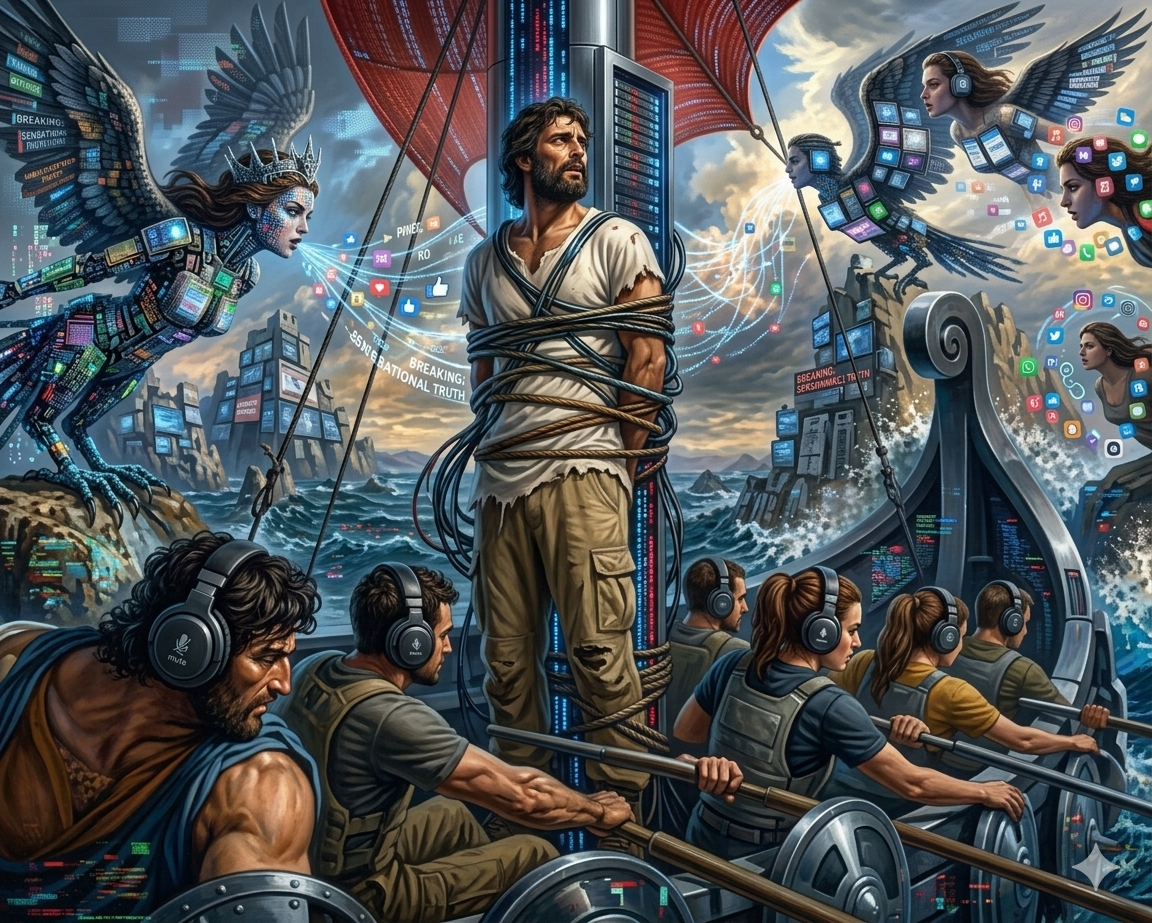
"First, you will raise the island of the Sirens, those creatures who spellbind any man alive, whoever comes their way... The high, thrilling song of the Sirens will transfix him, lolling there in their meadow, round them heaps of corpses rotting away."
Circe from Homer’s Odyssey
Homer's Sirens didn't just offer pleasure — they offered knowledge and temptation. The complete history of the world, the answer to every question. That's the real trap: not indulgence, but the promise of effortless wisdom. Odysseus was the only man in history to hear the Sirens and survive — not because he was stronger or more disciplined than every sailor before him, but because he decided in advance that he couldn't be trusted in the moment. He desperately wanted to experience the Sirens’ song but knew the mortal danger of doing so without some kind of restraint or harness to prevent him from becoming intoxicated by the experience.
Odysseus had himself tied to the mast of his ship, and he ordered his crew to fill their ears with wax and keep rowing, no matter what he said. He pre-committed before the siren’s music started and the danger could consume them all. When their ship was within range, Odysseus could clearly hear the intoxicating songs of the sea nymphs, but he had no power to do anything about it. His crew could not hear anything, so they could safely navigate past the rocky shores that had destroyed many ships and men before them.
Eurylochus: “What was the song of the sirens like?”
Odysseus: "All the things you want it to be. Then, all the things you wished you never wished for. It was the delicious itch you go to scratch but find it's under the skin. You can't reach it. So the delicious itch becomes unbearable. It told you what you most want is what you most can't have. And what you most can't have is what you already had, and lost."
From Christopher Nolan’s 2026 Movie, “The Odyssey” - see IMDB
The Core Insight: Willpower Is the Wrong Strategy
The mistake most people make is believing that discipline means resisting temptation in the moment. It doesn't. Odysseus didn't try to out-resist the Sirens — he designed a system that made resistance irrelevant. He offers a lesson for all those surrounded by modern-day ‘sirens’ and an endless stream of media trying to compel us to do something every moment of every single day.
Some Modern “Sirens” and suggestions to manage them:
* Digital distraction — the phone on the desk or in your pocket during deep work isn't a test of character; it's a Siren. It’s always calling you to look, read, or listen to it. The “mast” is a different room, an app blocker, a phone-free morning. Have a fixed block of time with all notifications turned off. Be hard to reach and disturb for hours every day. No one is too busy to be away from their phone and do deep work each day.
* Financial Sirens — the shiny new investment, the speculative digital coin, the shortcut to wealth by working only 5 hours a week. The mast is a decision made when you're calm, a rule you set for yourself before the breaking news tempts you to make that gamble in a hot stock. Stop yourself before you increase your position in something you already own. Have a disciplined approach to your money and be willing to accept the lows and highs of the market without flinching or panicking based on the daily business news. Think of yourself as a long-term investor and not a day trader. Shutting out the daily stock market updates or hourly prices of commodities will effectively mute these sirens.
* Self-Improvement & Fitness Content — passive consumption (endlessly reading, watching, listening to motivational material) feels like learning. Even the Sirens in the story originally promised easy knowledge of all things to fill a curious mind. Effortless knowledge is still the oldest trap in today’s world. Instead of just consuming information all day and night, set aside a fixed time to read, watch, or listen to content, then reflect on it. Truly absorb the message, the wisdom, or the warning about what you permitted into the fortress of your mind. To shield yourself from endless consumption, make a dedicated appointment with yourself to execute on the knowledge and wisdom gained today. Apply what you have learned, and it will actually do you some good in the present moment. You will learn to curate your media channels and just spend time on a few key sources each day to get valuable gems of advice, knowledge, or wisdom that you can immediately apply. Filtering your content this way removes the pleasure of constantly chasing the novel and trendy things online.
A Ulysses Contract is a decision you make in a clear-headed state to bind your future self when temptation arrives. Pre-commitment, not willpower. This is now a recognized tool in behavioral economics and psychology. The question isn't “Can I resist when I'm faced with it?”
The question is “What have I decided before I get there?” And “What preparations am I making for when things go off the rails, and I am overwhelmed?” Knowing what you will do ahead of time takes some of the sting out of the struggle and may even avoid the suffering you fear in your future. Planning and knowing how to manage yourself when you are tempted is a great defensive strategy that can save you time, resources, and even your sanity!
It’s your turn to reflect on this Ancient Greek story. What's one or more Sirens in your life right now — the thing that keeps pulling you off course? Define how it’s affecting your daily decision-making and your power to get things done that you know you need to. And what's your mast? What's the pre-commitment that takes the choice out of your hands in the moment and saves you from crashing your ship?
You don't have to be stronger than the pull of the media, the gadgets, or the temptations of the world. You can’t shut your eyes, ears, and mind to the world and live like a monk with no sense of pleasure or joy. You can be smarter than the sirens before they start singing and try to break you from the inside out. You can realize they are promising the full measure of dopamine that can be experienced by a person, and the cost is your complete and total submission to the madness they have to infect you with. Don’t listen to them!
Have An Awesome Day Every Day!
(As an Amazon Associate, we earn from qualifying purchases)
Go to this link and order your copy of the Awesome Life book today!
Click Here: Buy The Awesome Life Book!
Enjoyed this? Join 300+ readers getting our weekly Wednesday Mental Boost — 5 ideas from history, philosophy, and science in under 30 minutes. Click here to join the Awesome Community: awesomelifebook.com
Eat To Live Plan

By Ahsan
“Let food be your medicine and medicine be your food.” Hippocrates
There is so much confusion about nutrition and healthy eating. Everyone seems to have some advice, and many ways of eating or not eating (Fasting) don’t work. So much misinformation and outright falsehoods to sift through before a person can find the few morsels of honest truth worth considering.
I admit there are many ways to eat healthy and take care of your body and metabolic function. The following approach has worked for me, and I want to share it with you so you can take whatever is beneficial for you on your health journey.
Ahsan’s ETL (Eat to Live) Plan:
Eat: 3 meals a day for your first one or two weeks, no snacks in between, no processed foods.
Breakfast: always low-carb
Lunch: always low-carb
Dinner: always low-carb, with a small serving of rice, bread, potato, or pasta, one cup for men and half to ¾ cup for women.
What is low carb?
Meat, eggs, and veggies. Very simple. So, if you are at a buffet, on a cruise, or at your friend’s house, just eat low-carb.
Sample Breakfast looks like: Omelet with veggies sautéed in butter, and even add some cheese. Drink a cup of black coffee or tea with some cream or milk, or just black. And obviously, no sugar.
Sample Lunch looks like: a crunchy salad with roasted chicken, beef, or tuna, with no store-bought salad dressing containing low-quality oil and sugar. Make your own olive oil- and vinegar-based salad dressing with herbs and spices to add flavour.
Sample Dinner: Any meat, any veggies, and half a cup of rice, a small piece of bread, a small potato, or half a cup of pasta. To fill up, add more veggies or an extra piece of meat.
Eat all meals to satiety, not to a stuffed feeling, and don’t under-eat to watch calories; you don’t want to rely on willpower. You want to feed and fuel yourself.
What about fruit? Only one a day. Strawberries, blueberries, and other berries are low-sugar fruits and ideal; mango and banana are high-sugar and not ideal for a low-carb goal.
What about nuts? Only a small handful a day.
Eat fermented foods at dinner: Yogurt is good, as are kimchi, sauerkraut, pickles, Gouda cheese, blue cheese, and kefir. Look up fermented foods. You only need a small amount of fermented food with your meal; you are eating to add microbes to your gut, not to fill yourself up.
Treat Day?
Sure, but only like this: treat yourself to one day when you MIGHT have an indulgence: pizza, French fries, or quadruple-chocolate volcano cake. On that day, eat as above, and before having the treat, eat a proper meal as above, so you can enjoy a small slice of pizza, share the fries with someone, or have a few bites of cake. Save treat day for occasions like a family outing or party. At some point, you might also exercise your determination muscle by skipping this treat every so often.
Fasting: Everyone fasts. They may not realize it, but they do. Your meal at breakfast and the last bite before you sleep are a fast. So, a midnight snack and breakfast at 6:30 am is a six-and-a-half-hour fast.
That is fast but not long enough to be helpful.
Intermittent Fasting: After your dinner, you lock the fridge and pantry. Not even one grape or one nut, and certainly no grape nut cereal (ha-ha)
If you stop eating at 8 pm and have your first meal at 12 noon, you just completed a 16-hour fast. If you wake up at 6 am, drink water and black coffee, black tea, green tea, or herbal tea without sugar or sugar substitutes like Splenda, etc. Then just eat a low-carb meal.
Rules:
1. For the first week or many weeks, eat 3 meals a day, but do not snack in between. No food. Drink water or black coffee/tea.
2. Enjoy your weekly treat to give you mental comfort.
3. Track your fasting hours; the first week can easily be 8-12 hours.
4. In your second week, etc, keep eating 3 meals and try to stretch your hours of fasting to 10-14 hours.
5. In your subsequent weeks, keep fasting and try to get to 14-16 hours. By this time, you will likely only eat twice a day: one delish low-carb brunch/lunch and one dinner with a bit of starchy carb (bread/pasta/rice/potato)
6. If you are ever wondering what to eat, keep it simple: meat and veggies (veggies have carbs, so if you don’t eat bread, you won’t deprive yourself of carbs).
7. When to quit this approach? When a person feels like the benefits are not worth it. Extra energy, stable mood, good sleep, and a focused mind might not be that important to a large swath of the population.
8. You are not establishing a lifestyle. You are simply changing to a new “way of eating.”
9. Establish a strong vision in your mind of what your life will look like by making this your new way of eating.
10. Reinforce your strong vision with a very big WHY you are doing this and ask this additional question of yourself: What will it cost me if I don’t take care of my health now?
There you have it. My personal nutritional practices and thoughts on this complex and often confusing issue everyone faces. I hope some of my rules and ideas above inspire you to make positive changes to how you eat and what you consume on a daily basis.
Have An Awesome Day Every Day!
*Disclaimer: You are advised to speak with your doctor to ensure that eating whole, nutritionally dense, satisfying foods and fasting from dinner to breakfast are safe and effective for your personal health. Do not follow this plan without performing your basic due diligence with a qualified Health Professional, such as a doctor or Nutritionist. Get the appropriate blood and other diagnostic tests done to make sure you know about any deficiencies or concerns. Past success with other diets may have eluded you, and future results using this protocol may not be guaranteed or appropriate for everyone. You will need to follow your personal intuition with determined resolve.
(As an Amazon Associate, we earn from qualifying purchases)
Go to this link and order your copy of the Awesome Life book today!
Click Here: Buy The Awesome Life Book!
Enjoyed this? Join 300+ readers getting our weekly Wednesday Mental Boost — 5 ideas from history, philosophy, and science in under 30 minutes. Click here to join the Awesome Community: awesomelifebook.com
What Is The Purpose of Life?
By Ahsan
"Life is never made unbearable by circumstances, but only by lack of meaning and purpose."
Viktor Frankl
We often spend our youth chasing status, wealth, or perfection, only to realize later that these pursuits were hollow. When we look back on the years behind us, we frequently discover that the things we once prioritized no longer hold weight. This realization often leads to a single, haunting question: What is the true purpose of life?
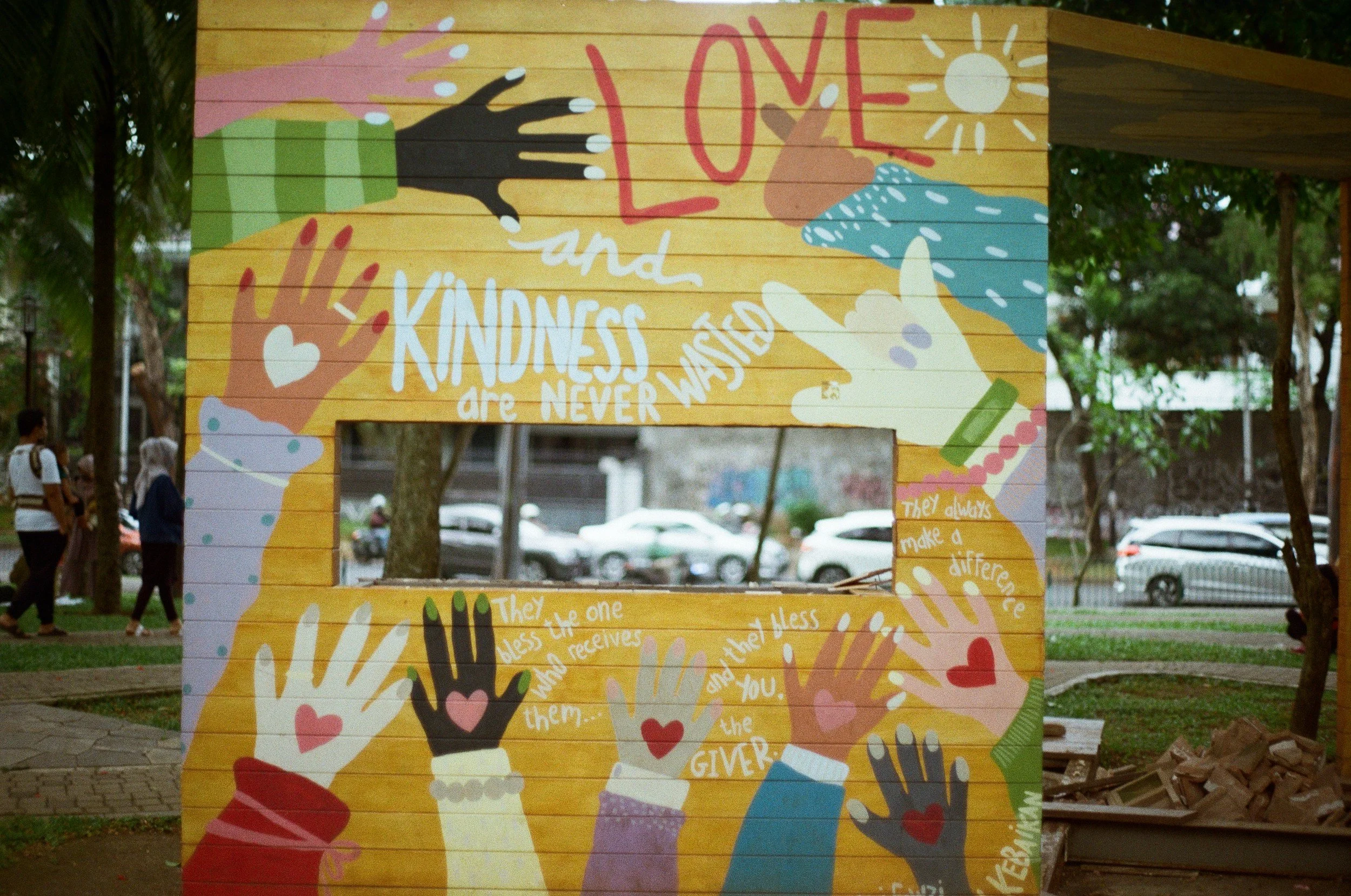
While the answer is deeply personal, wisdom from across the ages offers a clear compass. Spiritual traditions consistently point toward two foundational pillars: love for the Divine and love for our neighbor.
In the Bible, Jesus identified the greatest commandments as loving God with all your heart, soul, and mind, and loving your neighbor as yourself (Matthew 22:37-39). Similarly, the Quran instructs us to dedicate our entire existence—our prayers, our sacrifices, and our very lives—to the Lord of the worlds (Surah Al-An'am 6:162). Complementing this, the Prophet Muhammad taught that true faith is only realized when we love for our neighbor what we love for ourselves.
When we strip away the noise of modern life, the purpose becomes simple: Love God and Love people.
By anchoring your daily actions in these two commitments, you move away from the pursuit of fleeting validation and toward a life of lasting fulfillment. It is the surest path to a life without regrets.
Start today: Identify one person you can show genuine kindness to and one way you can deepen your connection to the Divine.
Have An Awesome Day Every Day!
(As an Amazon Associate, we earn from qualifying purchases)
Go to this link and order your copy of the Awesome Life book today!
Click Here: Buy The Awesome Life Book!
Enjoyed this? Join 300+ readers getting our weekly Wednesday Mental Boost — 5 ideas from history, philosophy, and science in under 30 minutes. Click here to join the Awesome Community: awesomelifebook.com
How to Keep Moving Forward in the World

By Shazad
"According to [Charles] Darwin's Origin of Species, it is not the most intellectual of the species that survives;
it is not the strongest that survives; but the species that survives is the one that is able best to adapt and adjust to the changing environment in which it finds itself."
Leon C. Megginson, a business management professor at Louisiana State University
I know many people who have lost their jobs or are on the verge of doing so. Many of my friends are getting older and losing family members to age and illness. The rapid development of new AI tools and related services makes it impossible to keep up. On top of all that, the weather keeps turning up the heat to the point where forest fires are happening everywhere like never before. How is a person supposed to manage such a dynamic world? What does it mean to be agile, resourceful, and resilient in such times, and how do we become these things?
First, we realize that we MUST become adaptable and creative in the face of challenges and chaos. The world is not going to wait for us to catch up or go on ‘pause’ until we figure things out. Accepting that things are not ideal, and never were at any point in history, is key. Something is always going on somewhere, whether it’s wars, natural disasters, economic hardship, or personal suffering due to health issues. The key is how quickly a person learns from what they observe and pivots to make changes. Getting enough key information and perspective, then taking action, is the key to becoming an AGILE person in these times, so don’t wait or watch the world unfold passively.
Next, look around you for possible solutions to problems. It may be small, even simple, ideas that lead to breakthroughs. Other times, it will be big, hairy ideas and complicated technology required to solve, but the solutions are out there, so work with other people who are RESOURCEFUL in making the most of the current situation rather than just complaining about it. Go outside your field of study and look at how nature solves certain problems. It’s not just an issue of throwing more money, time, or effort at the problem. It requires creative thinking and possibly removing obstacles to a solution.
Third, you have to accept that you will stumble, fall, bruise a few knees, and twist a few ankles in the process of walking forward towards solutions. Maybe you are going too far, too fast at times? Maybe you are trying to change too many things all at once, or perhaps you are missing the big picture. As long as you keep reviewing the reasons for your mini failures along the way and adjusting your course, you can keep moving forward. There’s no reason to stay down once you fall down. That is the core idea of RESILIENCE. Make it a habit to practice getting back on track and resetting yourself more quickly each time, so you don’t get stuck in a malaise of thoughts about your failures on your journey. Keep moving forward inch by Inch and day by day. You got this!
The reality is that the world has never stayed stable, wealthy, comfortable, or quiet for any generation. There are moments of peace and happiness as well as what seems like an abundance of resources. Then suddenly, things change due to the climate, the political environment, a person’s lifestyle habits, or some unexpected series of events far away that you have no control over. The people who figure out how to become and stay AGILE, become RESOURCEFUL, and practice daily RESILIENCE are the ones who not only survive the changes, but thrive. They get to be at the top of the wave and benefit from opportunities that others can miss. When you ask yourself “What can I do to make the most of this change?” you figure out a way forward, and that is the most empowering thing a person can experience.
Have An Awesome Day Every Day!
(As an Amazon Associate, we earn from qualifying purchases)
Go to this link and order your copy of the Awesome Life book today!
Click Here: Buy The Awesome Life Book!
Enjoyed this? Join 300+ readers getting our weekly Wednesday Mental Boost — 5 ideas from history, philosophy, and science in under 30 minutes. Click here to join the Awesome Community: awesomelifebook.com
How to Build the Strongest Character Trait behind Success and Satisfaction
By Ahsan
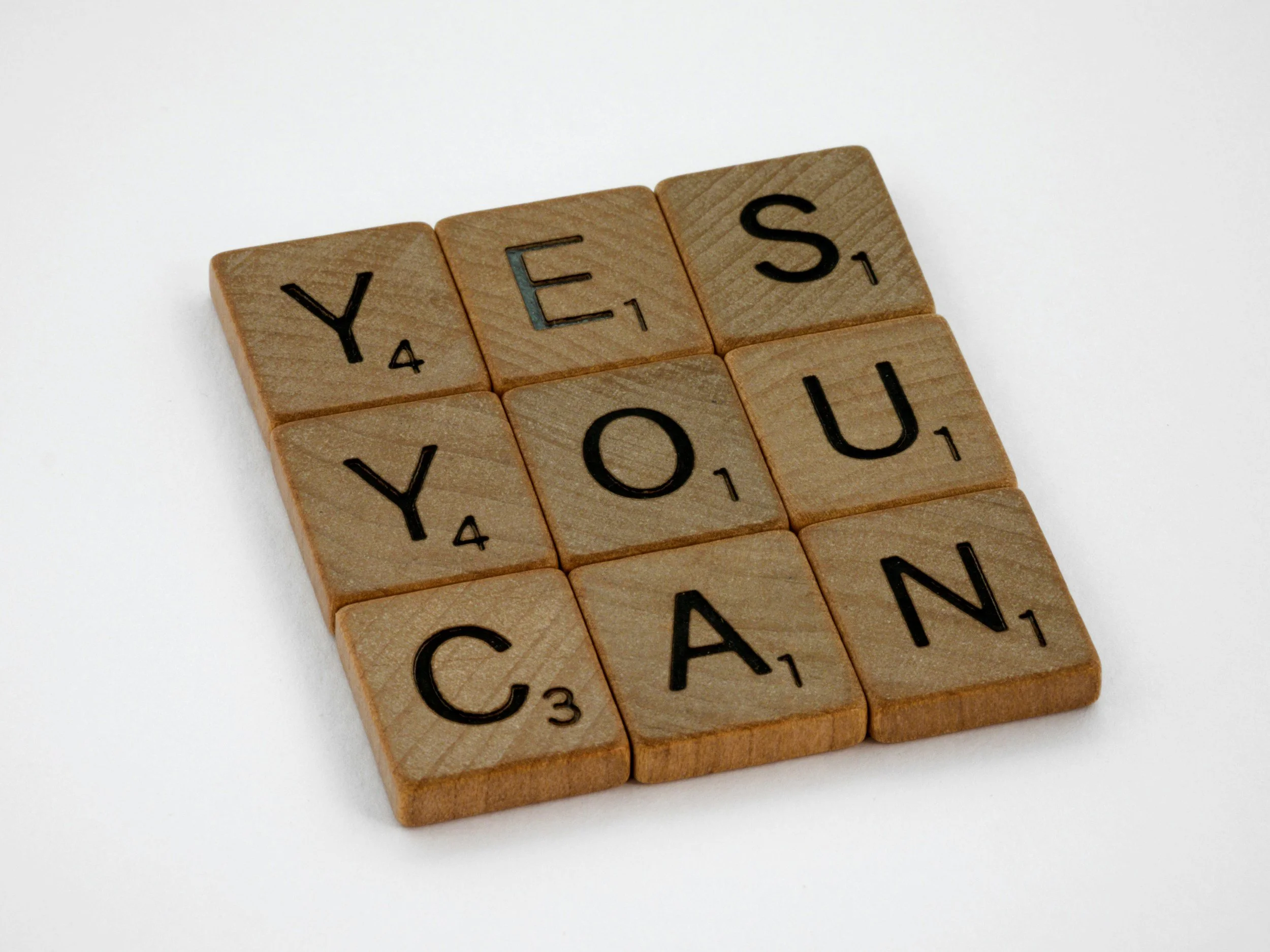
“With confidence, you have won before you have started.”
Marcus Garvey
What is the greatest character trait a human being can develop for a life of success, fulfillment, and meaning?
Many would answer courage, intelligence, discipline, kindness, or resilience. And all would be worthy answers. Yet if I had to choose one trait above all others, I would choose self-confidence.
Self-confidence changes everything. It shapes the way you see yourself, the way you speak, the risks you are willing to take, and the opportunities you are willing to pursue.
When confidence is strong, fear loses some of its power. Possibility grows. Life feels larger. You begin to move through the world with greater ease, greater courage, and greater grace.
Here are 10 traits people often associate with success and satisfaction in life:
- Courage
- Intelligence
- Discipline
- Kindness
- Resilience
- Patience
- Integrity
- Persistence
- Optimism
- Self-confidence
Each of these traits matters. But self-confidence often becomes the force that allows the others to fully come alive.
So how do we strengthen it?
Start with positive affirmations.
Speak words that remind you who you are becoming.
” I am extremely confident“
“I am growing in confidence.”
“I trust myself more every day.”
“I am capable, steady, and strong.”
Next, write down 25 things you are good at.
We are often far more gifted than we give ourselves credit for. Keep that list where you can see it often, especially on the days when your confidence feels tested.
And then add a third practice: keep small promises to yourself.
Every time you do what you said you would do, you strengthen self-trust. And when self-trust grows, self-confidence grows with it.
Consider people such as Oprah Winfrey and Muhammad Ali. Their success was not built on talent alone, but also on a deep inner belief that they could rise, endure, and lead.
At the end of the day, I can think of no better character trait than self-confidence. It strengthens action, improves resilience, increases presence, and helps unlock nearly every other trait people admire. If you want a life with more success, more satisfaction, and more personal power, self-confidence may be the greatest trait to develop.
Have An Awesome Day Every Day!
(As an Amazon Associate, we earn from qualifying purchases)
Go to this link and order your copy of the Awesome Life book today!
Click Here: Buy The Awesome Life Book!
Enjoyed this? Join 300+ readers getting our weekly Wednesday Mental Boost — 5 ideas from history, philosophy, and science in under 30 minutes. Click here to join the Awesome Community: awesomelifebook.com
The Journey Home: What Winning Really Looks Like

By Shazad
“Ah, how shameless the way these mortals blame the gods. From us alone, they say, come all their miseries, yes, but they themselves, with their own reckless ways, compound their pains beyond their proper share.”
Attributed to Zeus of Greek Mythology
The ancient Greek poet Homer composed the Odyssey, an epic poem, around the 8th century BC. It's the story of a warrior trying to get home after the fall of Troy — a journey that should have taken weeks and instead took twenty years. Storms, monsters, gods, temptation, betrayal, near-death and near-surrender at almost every turn. It's been told and read for nearly three thousand years by humans across the world.
The Odyssey is not just a great adventure story. It's a map of something deeply human. The struggle isn't with the sea or the monsters. It's always internal and relatable to everyone, regardless of their culture, tribe, or nation. The lessons Homer embedded in that story are as sharp today as they were when they were first told around a fire with great drama and enthusiasm.
I share three ideas or lessons that resonate with me after seeing Christopher Nolan's adaptation in its full IMAX glory. A must-watch experience for everyone who wants to be inspired, entertained, and transported to another time and place!
Lesson One: Winning the wrong thing is still losing.
Odysseus won the Trojan War. He and his men built a wooden horse to deceive the people of Troy into letting the hidden Greek soldiers into their fortress. Once inside, he fought brilliantly and came out alive, with Helen of Troy returned to the Greeks. By almost any measure, that's a victory. But it felt hollow and insufficient. The Odyssey opens with him sitting on a rock, weeping, staring at the sea. Ten years of war. Everything he had to give. And what did he have to show for it? All his men were dead. His beloved home was in chaos. His faithful and patient wife was besieged by dozens of men pressuring her to remarry so they could replace Odysseus as the King of Ithaca.
Homer’s point is that a hollow victory is one where you achieve the goal but lose the life and joy you actually wanted.
We do this more than we admit. We chase the promotion and sacrifice the relationships that make the job worth having. We grind toward a number and forget why we wanted it. We win the argument and damage the friendship. The Trojan War was ten years of effort pointed at exactly the wrong thing — and Troy was nothing but rubble and ash. The storybook version of the reason for the war was to return Helen of Troy to her husband, Menelaus, the King of Sparta. The real reason was probably the fact that Troy (in modern-day Turkey) held a strategic position near the Dardanelles, allowing it to control profitable Black Sea trade routes and tax shipping traffic. The Greeks wanted to gain control of this area and were willing to go to years of war to achieve their geopolitical goals at any cost.
The question worth asking before you go all in isn't just, "Can I win this?" It's: is this worth winning, and what is this journey really about? What will “Winning” cost me in the end?
Lesson Two: Temptation doesn't look like danger. It looks like relief.
The monsters in the Odyssey — the Cyclops, Scylla, Charybdis — are terrifying. But Odysseus gets past all of them. What nearly destroys him repeatedly isn't brute force. It's seduction, temptation, a desire for comfort.
The Lotus Eaters didn't threaten his men. They offered them flowers that tasted like forgetting. His crew ate them willingly — and simply stopped wanting to go home. Calypso didn't imprison Odysseus through force. She offered him immortality and all worldly pleasures. Who turns that down? Odysseus did. Eventually. After many years in a hazy existence, trying to remember who he was and what he had to return to.
And then there were the sirens — creatures whose song was so beautiful that sailors steered directly into the rocks trying to reach it. Odysseus desperately wanted to hear their song. So he had his men tie him to the mast and plug their own ears with wax. He felt the pull. He screamed at them to untie him. He just made sure in advance that they couldn't. That's the insight. He didn't resist the temptation in the moment — he built a structure before the moment arrived that made giving in impossible. He tasted some of the madness of the Siren’s song without completely losing himself and his men to the certain death that would have brought upon them all.
The sirens in the story offered Odysseus absolute knowledge of the past and future, specifically tailored to his desire for wisdom. He was a curious and adventure-seeking man. The sirens in the story knew exactly what to tell him to keep him amused and curious so he would forget his main goal. This is very similar to the echo chambers on social media today. We are attracted to things we are already leaning towards, and we get sucked into endless rabbit holes by the algorithms designed to keep us clicking, tweeting, or scrolling through infinite content that will never satisfy us in the end. The brain rot is real and just as damaging as the lotus flowers in the story.
Distraction, temptation, and endless entertainment don't always announce themselves. It arrives looking like a perfectly innocent, maybe even a “reasonable,” choice for hours a day. What is your strategy to resist crashing into the metaphorical rocks and becoming another victim of the modern-day sirens?
Lesson Three: Know who you are, or someone else will decide for you.
There's a moment in the Odyssey that always strikes me. When Odysseus encounters the Cyclops, he introduces himself as "No-man." It's clever — when the Cyclops screams that No-man is hurting him, his neighbours assume nothing is wrong and go back to sleep. Odysseus escapes.
But as he sails away, he can't help himself. He leans over the side of the boat and shouts his real name across the water. I did this. I am Odysseus, son of Laertes. The Cyclops, now knowing his name, calls on Poseidon to curse him. And Poseidon does — adding years of suffering to a journey that was already brutal.
Homer didn't put that scene in by accident. It's a portrait of someone who knows himself well enough to survive but not quite well enough to thrive. Odysseus understood his cleverness. He underestimated his pride.
Knowing your true nature means knowing both what you're capable of and what you're susceptible to. The strengths that make you effective and the blind spots that undo your best work. Most people know the first part. Far fewer are honest about the second.
The people who navigate the world most effectively aren't the ones with the fewest weaknesses. They're the ones who've looked at themselves clearly enough to know where they need the wax in their ears — where they need the structure, the guardrail, the trusted person who can tell them the truth. Self-reflection and self-improvement are not a nice-to-have or a ‘luxury’ for older people or the rich. It’s our job every day in order to get through the many adventures we will face in this life.
That kind of self-knowledge isn't comfortable to get to. But it's the only kind that actually protects you from your worst habits and the deception of others.
---
The Odyssey is three thousand years old, and it hasn't aged. Because Troy is no more. The monsters are just metaphors, and the temptations, the hollow victories, the question of who you really are the enduring ideas that remain to help you navigate your own journey in life.
Have An Awesome Day Every Day!
(As an Amazon Associate, we earn from qualifying purchases)
Go to this link and order your copy of the Awesome Life book today!
Click Here: Buy The Awesome Life Book!
Enjoyed this? Join 300+ readers getting our weekly Wednesday Mental Boost — 5 ideas from history, philosophy, and science in under 30 minutes. Click here to join the Awesome Community: awesomelifebook.com
Why Enlightenment Ends at the Dinner Table (and What to Do About It)

By Ahsan
Are you calm in public but triggered at home?
Has it ever happened to you that you handled a stressful situation at work with grace and presence, but you lost it with someone in your family?
There’s a famous idea presented by Ram Dass: if you think you’re enlightened, spend a week with your family.
This idea captures something deeply human. And curious at the same time.
It’s relatively easy to be calm, patient, and kind with strangers or coworkers. There’s distance, less emotional history, and fewer expectations. But family? They hold a lifetime of shared memories, unresolved patterns, and emotional imprints that can instantly pull us out of our “enlightened” state.
As Carl Jung observed, “Until you make the unconscious conscious, it will direct your life, and you will call it fate.”
That’s exactly what happens in family dynamics.
What makes this so challenging is not a lack of intention—it’s the speed of our emotional wiring. In a charged moment, the brain doesn’t pause to evaluate; it reacts. Old associations trigger the amygdala, our emotional alarm system, before conscious thought has time to intervene.
And then there’s the strange reality that the people who love us most are also the most skilled at driving us slightly insane.
Somehow, a single comment about never putting the cap back on the coffee container can feel like a personal attack on your entire identity.
You’re no longer a composed adult—you’re mentally back at age twelve, defending your forgetfulness about losing your keys again.
Viktor Frankl put it best: “Between stimulus and response there is a space. In that space is our power to choose our response.”
The problem is that space can feel tiny in emotional moments. The trigger happens, the body floods with emotion, and the reaction feels instantaneous.
Even you are surprised by how you react.
The solution isn’t perfection—it’s preparation and presence.
Before entering interactions with family, consciously set an intention: “I will observe before I react.” Then use a simple technique: pause and breathe. One slow inhale, one slower exhale.
This interrupts the automatic loop and gives your thinking mind time to re-engage. Anchor yourself with a quiet cue like, “Stay calm, not reactive” or “Don't lose it.”
Enlightenment isn’t about never being triggered—it’s about recognizing the trigger and the situation and choosing your response anyway. Practice this where it’s hardest.
Be graceful, even when it’s inconvenient.
Life flows better when you stay aware and steady, and choose to use your thinking mind rather than unconsciously surrendering to reaction.
Good luck and remember to put the cap back on the coffee can, of your amygdala that is.
Have An Awesome Day Every Day!
(As an Amazon Associate, we earn from qualifying purchases)
Go to this link and order your copy of the Awesome Life book today!
Click Here: Buy The Awesome Life Book!
Enjoyed this? Join 300+ readers getting our weekly Wednesday Mental Boost — 5 ideas from history, philosophy, and science in under 30 minutes. Click here to join the Awesome Community: awesomelifebook.com
Success Happens in the Dark
By Shazad
"Some people grow quietly before shining. The hardest progress happens in private,
when you're unlearning pain, choosing better thoughts, and building inner strength day by day."
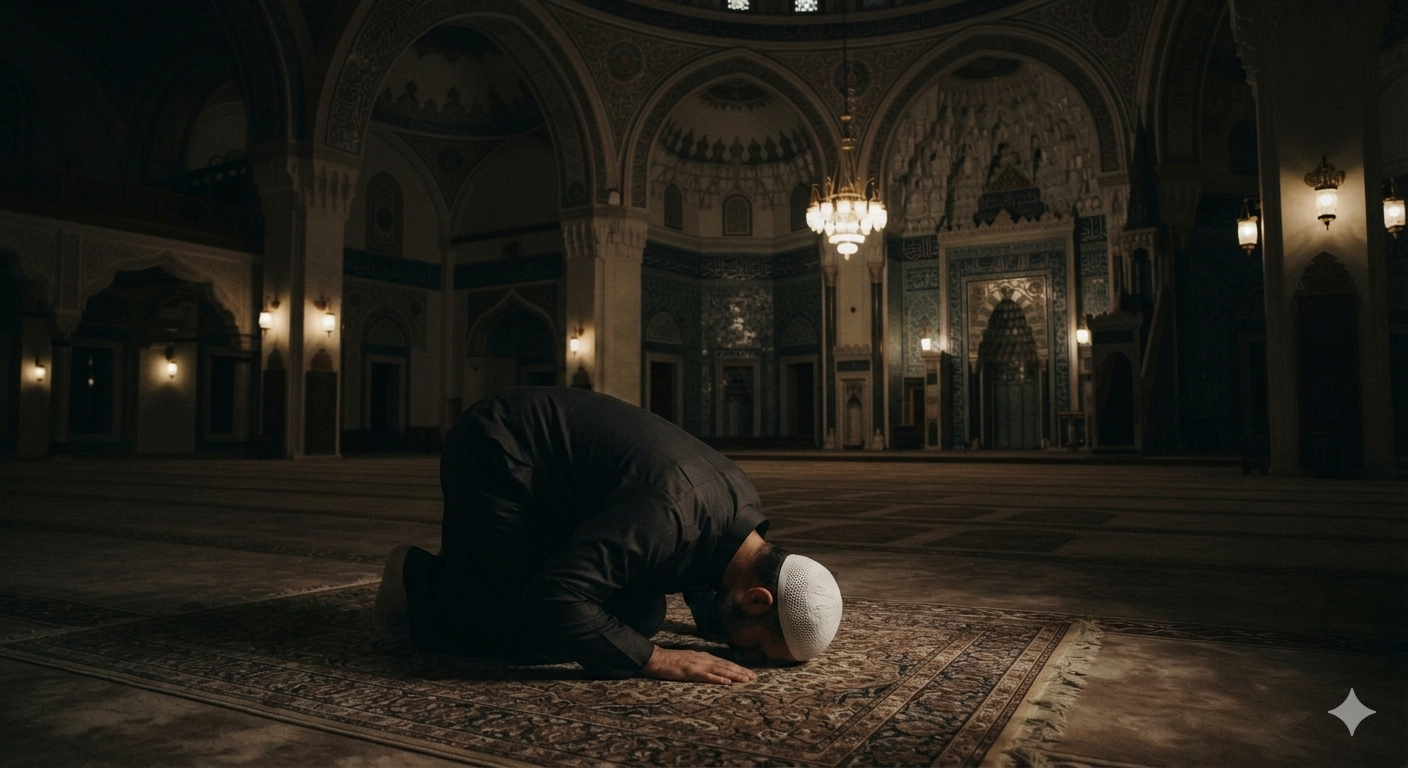
The above quote and related concepts have resonated strongly with me in recent years. Many motivational or inspiring speakers have said something like the above, and it really makes sense. We often see many great talents in entertainment, sports, or business celebrated, but we don’t often see the years or decades of work they put in behind the scenes to get there. Every great achiever or champion in their field spends most of their time away from the bright lights, cameras, and social media to work on their craft. That’s the most important part of their journey and something to consider.
Before Muhammad Ali was the “Greatest”, there was his daily physical routine to be fit, fast, and smart. Before your favourite actor or business superstar became mega rich and famous, there were many gruelling years of struggle, learning, rejection, and discipline. The simple fact is that no one gets dropped on Mt. Everest and has a great life. Everyone who has climbed to such high peaks, figuratively or literally, had to work on it for many, many years. The daily practice, mindset, and sacrifices all enabled the best of the best to achieve their personal best during competitions. The truly world-class performers didn’t stop after one big achievement, such as a gold medal, an Oscar, or a leadership award. They kept their discipline and best practices and tried again and again to stay champions over a long period of time.
This idea that consistent daily practice focused on becoming the best or at least among the best, such as the top 10% healthiest, smartest, or most generous in the world, is training for a quality life. By having a bigger purpose grounded in learning, adapting, improving, and constantly inspiring others, we enjoy our time on earth more than we would by merely being average. Trying to just ‘survive’ life should not be anyone’s long-term goal. We may never win the Olympics or be featured in Forbes magazine, but we can certainly shine in our own domains within our family, our community, and our peer group.
I invite you all to work on making small, consistent changes to your being daily, when no one is looking. Perhaps you will get up 30 minutes earlier to exercise, read something important, or work on your spiritual well-being. All those sets and reps you do in the dark of night or before the sun rises on a new day will add up. Those many shots you took at learning and testing yourself daily count. The months of rejection and Nos you kept getting made you more resilient and patient. Doing such things as part of a life mission to become your personal best will change you, and everyone around you is bound to notice. Your healthy diet with a positive mindset and daily movement will cause the transformation you are looking for, and soon, you will be known as the G.O.A.T. in your circle! Others will ask how you did it. Maybe they will be inspired by your example. This is how you Live Awesome!
Have An Awesome Day Every Day!
(As an Amazon Associate, we earn from qualifying purchases)
Go to this link and order your copy of the Awesome Life book today!
Click Here:Buy The Awesome Life Book!
Enjoyed this? Join 300+ readers getting our weekly Wednesday Mental Boost — 5 ideas from history, philosophy, and science in under 30 minutes. Click here to join the Awesome Community: awesomelifebook.com
How To Develop Supreme Confidence: Transform Your Beliefs
By Ahsan
“The head talks to the heart and the heart talks to the feet."
Edson Arantes do Nascimento aka “Pele” - Soccer superstar
Have you ever felt like you were living in the shadows of your fears?
Would you say that when you feel this way, you also lose your mojo?
Imagine a young girl who once climbed trees with joy, only to fall and end up in a cast. After weeks in that cast, she was hesitant and afraid, trapped in a cycle of self-doubt.
But one day, while watching a favourite movie, she saw the hero accomplish an impossible mission, and in that instant, she changed her belief about herself and found her fearless self again.
This transformation is a powerful reminder that confidence can be rekindled, no matter how far we drift from our true selves.
So, why don’t we act on what we know we should do?
The answer lies in the intricate workings of our brain. Our brains are like hardware, while our beliefs function as the software running on them. When fear strikes, especially from our amygdala, it triggers a flight response, causing us to avoid situations that could lead to anxiety.
Fear of failure, or even of success, can leave us paralyzed, echoing the lessons we learned in childhood when our parents cautioned us against talking to strangers.
Our beliefs about ourselves are deeply rooted in our self-concept and truest values. Today might be a great day to reflect on your self-concept and your values as they stand now.
You might also like to see how they align with your goals, because that lies at the root of why some people achieve their goals while others remain hesitant, doubtful, and put the entire pursuit back on the shelf.
Low confidence comes at a hidden cost. In business, it can mean lost opportunities; in relationships, a lack of love; in leadership, delayed decisions; and in personal life, increased stress and anxiety.
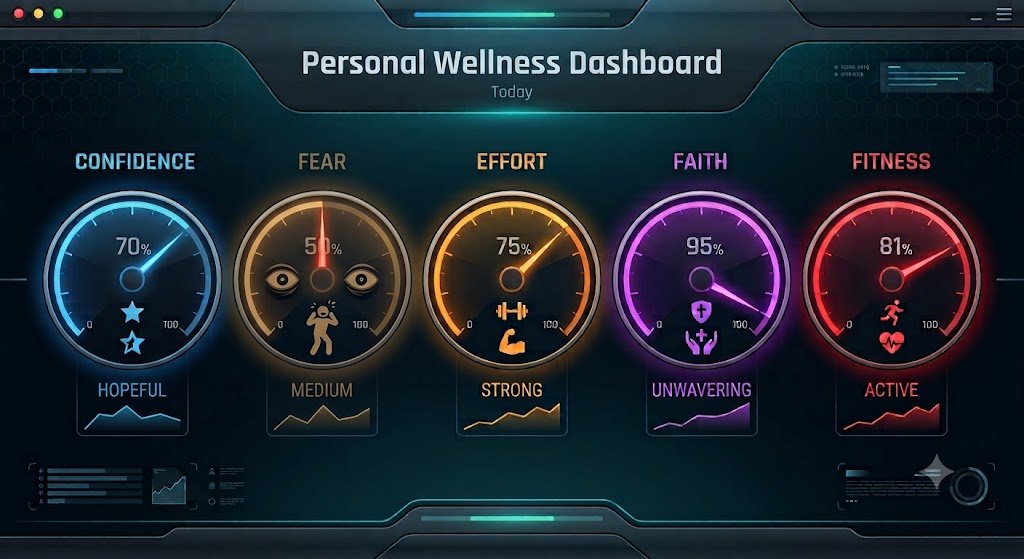
This is where the magic of transformation begins. By reframing fear as a dashboard indicator of our self-concept to move towards transformation, and by defining our self-concept in the context of our values, we can shift our perspective and embrace the phenomenal potential within us.
Consider a man who started a home renovation business and struggled to ask for referrals because he believed, “Real men don’t ask for help.”
His business potential remains small. This belief and value shaped his behaviour and limited his results.
You get from the world what you see in the world, while the world would be willing to give you more.
But what if we could break through these limiting beliefs? Just like breaking a board in a seminar by punching 4 inches past the physical board, we can push past our perceived limitations and discover effortless mastery and greater gifts yet to be received.
To cultivate supreme confidence, we must reprogram our beliefs about ourselves and evaluate our values. We may need to understand where all of these concepts came from and how much they may have changed in this very moment called our present.
Try this odd but effective idea if you will:
Picture a time when you felt successful. Where did you feel that success in your body?
Now amplify that feeling and fill the room with it. Anchor this emotion with a gesture—a fist and a resounding “YES!” This shift in thinking can liberate you from the chains of self-doubt and negativity.
Remember, we are meaning-making machines. Our childhood experiences shape our beliefs and values, but we have the power to take charge of our minds.
Each morning, embrace positivity with a smile and notice the difference it brings. Laughter is contagious, and so is confidence.
Are you ready to transform your life?
Start by taking charge of your beliefs. Make a movie in your mind that reflects the best version of yourself, and watch as your confidence blossoms. Share your journey with others, and together, let’s cultivate a world filled with love, approval, and supreme confidence. Take that first step today—you deserve it!
Have An Awesome Day Every Day!
(As an Amazon Associate, we earn from qualifying purchases)
Go to this link and order your copy of the Awesome Life book today!
Click Here:Buy The Awesome Life Book!
Enjoyed this? Join 300+ readers getting our weekly Wednesday Mental Boost — 5 ideas from history, philosophy, and science in under 30 minutes. Click here to join the Awesome Community: awesomelifebook.com
Move Better to Feel Better

By Shazad
"Mood follows movement and motion."
Sami Inkinen
There is a great deal of pain, distress, and desperation in the world. It paralyzes many people, leaving them sitting or lying in bed, waiting for things to pass or somehow fix themselves. Many people are experiencing mental health issues and general dissatisfaction with their work, family, and life. What can be done about this? Is there a way out?
Thankfully, there is a solution, and it’s simple. Perhaps “too simple” for some people. It’s called daily movement, and there is science behind getting your body in motion each day to benefit your mind AND your body.
There is scientific evidence showing multiple biological and psychological factors that confirm daily movement is an effective remedy for many people, from feeling a little sad to being clinically depressed and mentally out of balance. Here are 3 ways this happens:
Neurotransmitter Release: Daily movement boosts the brain's production of 'feel-good' neurotransmitters, including endorphins, serotonin, dopamine, and noradrenaline, which influence focus and mood.
Brain Growth Factors: Exercise increases a brain protein called BDNF (Brain-Derived Neurotrophic Factor), aka ‘brain fertilizer’, which promotes the growth, survival, and synapse formation of new neurons.
Nervous System Regulation: Mindful movement helps release stored tension, making the brain's "fight-or-flight" system less reactive. This helps manage past trauma and current feelings of anxiety.
How can you move in the simplest way on a daily basis? It’s very easy!
Go for a walk outside!
Start with 10 minutes and look around you. This is most beneficial when you are in a green space like a park or garden, or in another natural setting like a beach, near a waterfall, or while hiking up a hill. Feel your body as you move. Notice how you are balancing, pay attention to your breathing, and appreciate anything beautiful you see along the way. Make a point to notice with your eyes, ears, and sense of temperature. Let go of your worries for these few minutes and focus on moving gently through the air as you walk. It’s okay to do this with a buddy or on your own. There is no strict time limit or destination to reach, other than a sense of calm and appreciation.
When we unplug from our devices and set aside our concerns for a short stroll around the neighbourhood or a walk in the park, we unleash the body and mind’s power to heal themselves. It’s slow and may seem boring at times, but it works better than most drugs or therapy sessions. Please note that I’m NOT telling anyone to stop seeking medical advice or to stop taking prescription drugs. I’m suggesting you ADD a daily movement practice, preferably in nature, if you don’t already do this. You may be surprised at how much better everything feels, and even how much more Awesome the world can be!
Have An Awesome Day Every Day!
(As an Amazon Associate, we earn from qualifying purchases)
Go to this link and order your copy of the Awesome Life book today!
Click Here:Buy The Awesome Life Book!
Enjoyed this? Join 300+ readers getting our weekly Wednesday Mental Boost — 5 ideas from history, philosophy, and science in under 30 minutes. Click here to join the Awesome Community: awesomelifebook.com
How Well Do You Take Care Of Yourself?

By Ahsan
"Your thoughts shape your reality; be mindful of the story you tell yourself."
In everyday situations, we often hear the phrase “take care of yourself.” Usually, it comes at the tail end of a conversation, a parting comment from a friend or loved one. But what exactly are you taking care of? Is it your health? Your well-being? Your precious belongings?
Moreover, is this advice simply to do the best you can for yourself, or is it also a reminder to protect yourself from the potential harms of the outside world? The meaning can shift based on tone and context, hinting at both self-care and vigilance against external threats.
What I want to highlight is that taking care of ourselves is a personal responsibility. We need to approach self-care with great attention to our thoughts and feelings. Our mental landscape influences how we care for ourselves, and this attentiveness can be transformative.
Throughout the day, we experience a constant stream of thoughts about our actions and circumstances. Some thoughts are random, others neutral, but many can be negative. These negative thoughts often lead to unnecessary feelings of anxiety and stress. For instance, why should you worry about the weather next week if you’re planning a picnic? If it rains, you can postpone it or bring a portable tent cover. Why concern yourself with what someone at work might think of you? Often, they may not even be thinking about you negatively at all; it’s just a story we tell ourselves.
The key point I wish to convey is that self-care is about where you consciously choose to focus your attention. It’s essential to take care of yourself, but that doesn’t mean getting trapped in overthinking. Perhaps taking care of yourself means learning to step aside and allow life to unfold without the weight of unnecessary worry.
In embracing this perspective, we recognize our responsibility to be attentive to our thoughts and how they impact our self-care. Mindfulness in our thinking can lead to a healthier, more balanced life.
Different cultures emphasize self-care in various ways, often reflecting their values and perspectives. For example, in Japan, the phrase "Ikigai" refers to a sense of reason for being, highlighting the importance of finding purpose and fulfillment in life. In Spanish-speaking countries, "Cuidado" means "care," reminding us to tend to our well-being and that of others. The Hawaiian concept of "Aloha" embodies love, peace, and compassion, encouraging us to nurture ourselves and our relationships. These expressions resonate deeply, reminding us that self-care is a universal need.
As you reflect on your own self-care practices, I encourage you to harness the power of your thoughts as a tool, rather than allowing them to become a problem. Be mindful of what occupies your mind, and take responsibility for your mental landscape. Prioritize your well-being and cultivate a self-care practice that resonates with you.
Take care of yourself – not just in words, but in the actions you choose to nurture your mind, body, and spirit.
Have An Awesome Day Every Day!
(As an Amazon Associate, we earn from qualifying purchases)
Go to this link and order your copy of the Awesome Life book today!
Click Here: Buy The Awesome Life Book!
Enjoyed this? Join 300+ readers getting our weekly Wednesday Mental Boost — 5 ideas from history, philosophy, and science in under 30 minutes. Click here to join the Awesome Community: awesomelifebook.com
Why Hard Things Matter

By Shazad
“Just as nature takes every obstacle, every impediment, and works around it—turns it to its purposes, incorporates it into itself—so, too, a rational being can turn each setback into raw material and use it to achieve its goal.”
Marcus Aurelius
I recently visited Hoover Dam near Las Vegas in Nevada, USA. It was an intensely hot sunny afternoon, around 40°C, and I was walking along one of the most iconic engineering projects in American history. The Hoover Dam was built in just 5 years during the 1930s. Construction involved many thousands of lives in this grand effort. At least 100 workers perished in this great effort. Why does this project matter, and what lessons can we learn from it today?
For as long as humans have been alive, they have striven to do challenging things. Sometimes just for sport or military gain, and other times for the sake of the community through large projects that will improve human life. The Hoover Dam definitely qualifies as the latter for the benefits it provides in flood control, freshwater supply, and hydroelectric power.
The construction, which started in 1930, resulted in a structure that stands 726 feet tall, which makes it taller than a 60-story building. The dam is 660 feet thick at its base. which makes it as wide as two football fields laid end to end. The dam was constructed ahead of schedule despite many challenges of its time, including the Great Depression across America during the 1930s.
“No man is more unhappy than he who never faces adversity. For he is not permitted to prove himself.” Seneca
The grand scale, incredible resources, and the human toll of this project, along with the beauty of the surrounding scenery, continue to impress visitors from all over the world. They have come to witness what is possible. Beyond the technical sophistication lies something deeper to recognize. When humans work together on something of great difficulty, they achieve their goal and leave a lasting reminder for future generations who reflect.
We must all choose to do our own hard things in life that benefit our community. If we can’t lead projects like this, we must join forces with others engaged in something big, difficult, and impactful for the human race. Only by doing so will we find true satisfaction in life while making a difference in the world for decades to come.
Have An Awesome Day Every Day!
(As an Amazon Associate, we earn from qualifying purchases)
Go to this link and order your copy of the Awesome Life book today!
Click Here: Buy The Awesome Life Book!
Enjoyed this? Join 300+ readers getting our weekly Wednesday Mental Boost — 5 ideas from history, philosophy, and science in under 30 minutes. Click here to join the Awesome Community: awesomelifebook.com
Who’s Really Responsible For Your Stress ?

By Ahsan
Have you ever stopped and asked yourself a slightly uncomfortable question:
Is the stress in my life really caused by what’s happening… or by how I’m thinking about it?
It’s a confronting idea. Most of us instinctively blame our stress on external pressures—work deadlines, financial concerns, general worries, loss of a loved one, health issues, or difficult relationships. It feels obvious: life happens, and stress follows.
But what if that’s only half the story?
Over 1,900 years ago, the philosopher Epictetus suggested something radical:
“People are not disturbed by things, but by the views they take of them.”
At the time, it may have sounded like philosophy. Today, modern medicine quietly supports the same conclusion.
Dr. G. Canby Robinson of Johns Hopkins Hospital once observed that the majority of patients he treated were suffering from conditions influenced—sometimes heavily—by emotional stress.
Even when physical illness was present, it was often tied to how individuals were coping with life’s challenges.
Over time, many of these conditions traced back not just to events, but to a person’s internal response to those events.
Centuries earlier, French philosopher Michel de Montaigne captured this idea in a simple but powerful way:
“A person is not hurt so much by what happens as by their opinion of what happens.”
That distinction changes everything.
Because if stress were caused solely by external events, then everyone facing the same situation would experience the same level of stress.
But they don’t.
Some people remain calm under pressure, while others feel overwhelmed by the very same circumstances.
The difference lies in interpretation.
This is where personal responsibility—and freedom—quietly enter the conversation.
If our thoughts shape our stress, then we are not entirely at the mercy of our circumstances. We have influence. We have a choice.
Now, this doesn’t mean stress can be eliminated with a snap of the fingers.
When life hits hard, it’s natural to feel shaken. But it does mean that our mental response is not fixed.
With awareness and practice, it can be adjusted.
And that is the part most people overlook.
The real leverage point is not always changing the situation—it’s learning how to change the way we see it.
That may require effort. It may feel unnatural at first. But the principle itself is simple: when you change your interpretation, you begin to change your experience.
Your feelings come from your thinking, regardless of who you are.
So point yourself to this phenomenon of personal thinking.
The question then becomes not “Why is this happening to me?” but “How am I choosing to see this—and is there another way to see it?”
That shift, small as it seems, is where stress begins to loosen its grip.
Have An Awesome Day Every Day!
(As an Amazon Associate, we earn from qualifying purchases)
Go to this link and order your copy of the Awesome Life book today!
Click Here: Buy The Awesome Life Book!
Enjoyed this? Join 300+ readers getting our weekly Wednesday Mental Boost — 5 ideas from history, philosophy, and science in under 30 minutes. Click here to join the Awesome Community: awesomelifebook.com
The Things That Don’t Change
By Shazad
“Change is the only constant in life.”
Heraclitus
Our world is full of dramatic and sometimes revolutionary changes. Things are transforming in months or weeks, and sometimes in days. It feels like everything is open to new developments or new perspectives on the same old things. It can be exciting as well as stressful, whether you are an aging worker at a company facing an uncertain future or a new graduate about to enter a difficult job market with skills that may not be as relevant as when you started your education. The good news is that some things never change, and that’s where you can build a solid foundation.
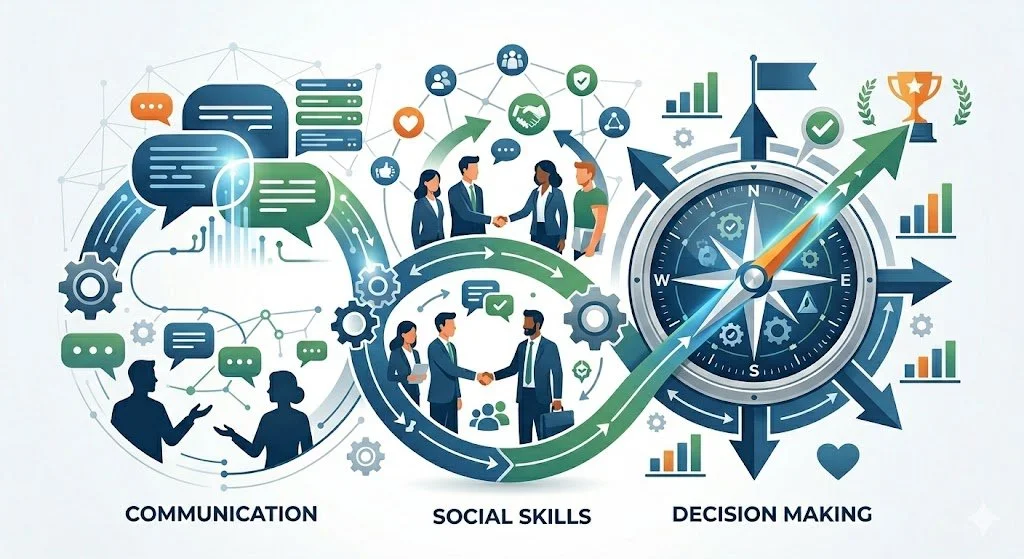
I’ve been researching which skills will be most valuable this year and in the years to come. I’m not surprised to see AI literacy on the list. What surprised me was the old-fashioned human skills that many experts still predict will be desirable and even differentiating. They include communication in both verbal and written forms, social skills for building and maintaining relationships, and decision-making skills for leading the people you work with. These can be thought of as timeless skills, regardless of which technology is dominant in the world. The reality of our lives is that we have to and actually enjoy being in dialogue with other human beings… most of the time. With that in mind, it makes sense that these 3 core abilities, which define some of the best of what humanity has achieved, are valuable today and beyond.
Communication skills cannot be overstated. Without the ability to think, express, and share our ideas in multiple ways, we begin to decline and suffer as human beings. It’s a key part of our existence to communicate facts, stories, and wisdom over our entire lives. We might as well become experts at it and keep refining our abilities like an artist.
Social skills are the next factor that will not change as long as humans are around. We need to be able to build rapport, maintain relationships, have meaningful discussions, and persuade people. Building trust and having real credentials are key parts of this. Knowing how to collaborate with other people and understand their point of view is also vital to being a person who is valued by others.
Decision-making and taking action are the 3rd key skill that will never be replaced. The ability to make decisive choices and act is essential to any leadership role and to social progress. It simply is not an option to outsource our ability to make critical decisions and then be happy with the results. Humans have a strong need now and always for freedom of choice. Mundane or trivial matters can be handed over to other people or even to an AI tool, but significant life choices must remain in our hands and be based on sound judgement and wisdom.
Now that you know what human skills are important today and what will always be important in the future, you can confidently develop yourself further using this info. Your ability to face and adapt to change will always matter, but so will your skills in core human abilities that help you make the most of today and beyond.
Have An Awesome Day Every Day!
As an Amazon Associate, we earn from qualifying purchases.
Go to this link and order your copy of the Awesome Life book today!
Click Here to Buy The Awesome Life Book!
Enjoyed this? Join 300+ readers getting our weekly Wednesday Mental Boost — 5 ideas from history, philosophy, and science in under 30 minutes. Click here to join the Awesome Community: awesomelifebook.com
Choose Your Own Adventure
By Shazad
“The purpose of life is to live it, to taste experience to the utmost, to reach out eagerly and without fear for newer and richer experience.”
Eleanor Roosevelt
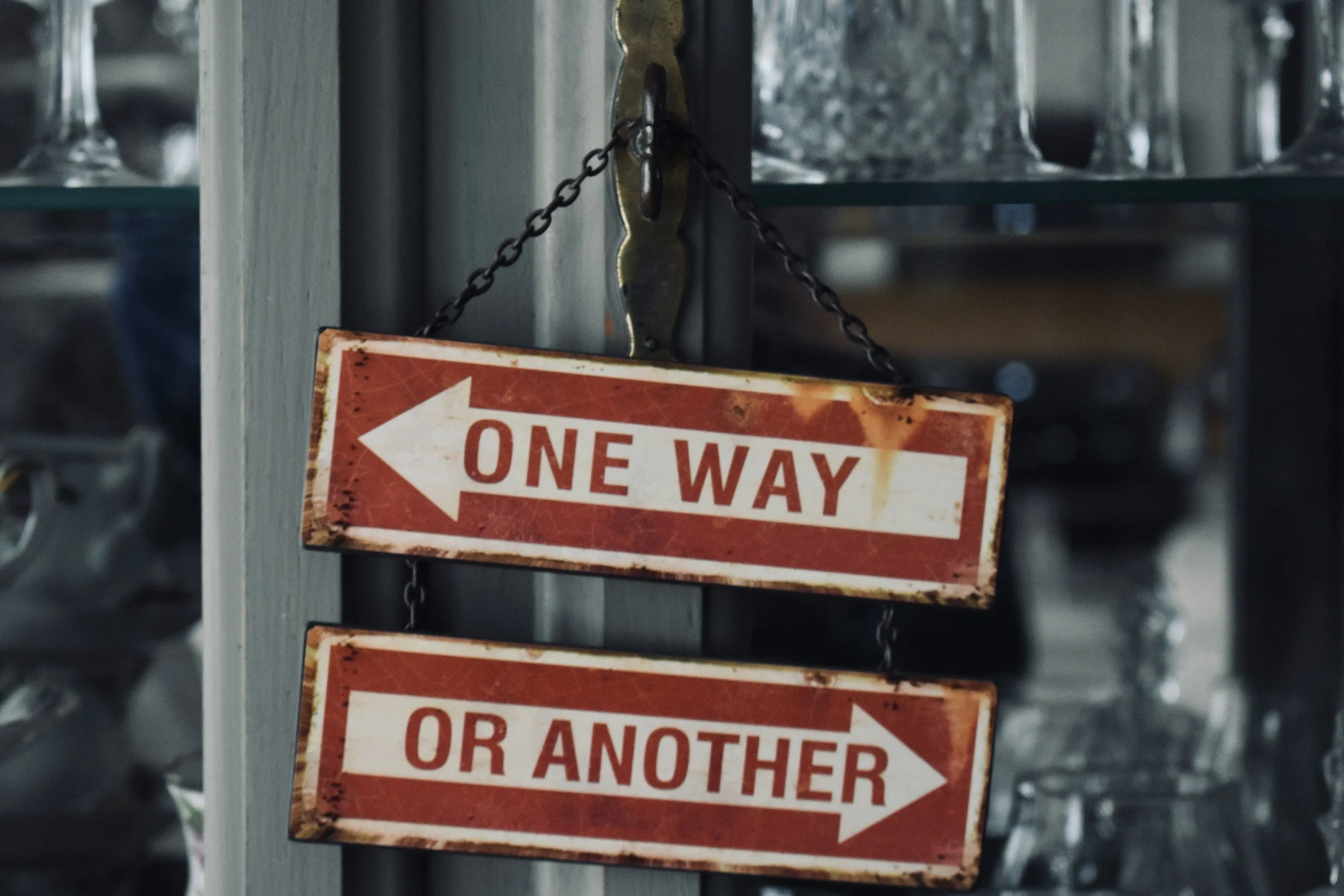
When I was a teenager, I came across these amazing books that took the reader on multiple paths, depending on the choices they made at critical points in the story. If something didn’t work out well, the reader could explore an alternative and see how it turned out. Our lives are the same way. There are so many decisions we have to make and possible paths we could take. Many people’s lives are a winding, confusing, and truly fascinating adventure filled with dreams, sweat, difficult choices, and unexpected but positive outcomes.
With the exception of some fatal mistakes, many of our choices allow us to try something else if we take a wrong turn or end up somewhere we didn’t want to be. Some opportunities in life do have a short window, but many have a wide margin of error. For example, if you order an appetizer you don’t like, you can order another one. If you get your hair cut or styled in a way that doesn’t work, you can wait about a month for it to grow back and try something else next time. Even a bad grade on a single school assignment doesn’t mean automatic failure. You could try harder for the rest of the semester and do very well on the final exam. Ask yourself what the worst-case scenario is for each of your choices. If it’s not certain death/disability, complete bankruptcy, becoming homeless, or jail time, you can probably recover without too much time or effort. Every time we make a choice, we have to be prepared for some outcome. It may be desirable and what we were looking for, or it may be totally wrong for us. We often have a chance to make a different choice right away or a while later.
The person who didn’t graduate from university in their 20s may return as a new 40+ student and finish their bachelor’s degree, or even pursue a PhD. The person who married young and divorced by 29 may find a deeper connection around age 40, leading to an enduring marriage. Perhaps you are a 50-something with chronic health issues, and you finally decide to do something about it, resulting in the best health of your life all the way to the end.
Time is precious and should not be squandered trying to undo a bunch of bad decisions in life. A responsible person recognizes that their time here is limited and uncertain, so wisdom and courage in decision-making are essential. However, it’s rarely “too late” to choose differently or try again. We can’t intentionally delay decisions, but we should also consider whether we can simply choose again. Many people finish their education, start a business, and find true love later in life, and remain happy as a result. The biggest regret is staying stuck in a moment when you could have made another choice and moved towards a better path, but didn't.
Every day you are alive is a chance to do so!
What new and better decisions will you make today, and where will your adventure take you?
Have An Awesome Day Every Day!
As an Amazon Associate, we earn from qualifying purchases.
Go to this link and order your copy of the Awesome Life book today!
Click Here to Buy The Awesome Life Book!
How Much Time Do You Have?

By Ahsan
“Time and tide wait for no man.”
English Proverb
Time neither slows nor pauses. It moves forward without consultation, indifferent to our wishes, plans, or illusions of control.
The ocean’s tide offers a useful metaphor. It rolls in, revealing a brief window—an opportunity to step forward, explore, and act. And then, just as quietly, it recedes. That window closes. Sometimes gradually, sometimes faster than we expect.
I often find myself thinking about the things I love—simple pleasures, meaningful work, hobbies such as playing golf with my high school buddy, and time with family and friends.
These are the moments that give life its richness. And yet, woven into that appreciation is a quiet truth: this life, as beautiful as it is, will not last forever.
That realization is both sobering and clarifying.
I wish I had understood this earlier—not as an abstract idea, but as something real. Perhaps I would have paused more often, not just for the milestones, but for the small, fleeting moments that make up a life: a conversation, a laugh, a quiet morning.
As the years pass, awareness sharpens. You begin to see time not as endless, but as precious.
Finite.
When we are young, the horizon seems distant. We live as though time is abundant, as though “later” is guaranteed. But that belief is, in many ways, an illusion.
With age comes clarity—not just about time, but about meaning. You begin to understand what truly matters. What “this or that” really is. And more importantly, what is worth more of your time?
It is then that a subtle shift occurs: from assuming there is time… to recognizing there may not be as much as we think.
We each live within Three overlapping dimensions:
Lifespan is the length of our lives—unknown but finite. Perhaps 80, 90, or even 100 years. But not 200.
Healthspan is the quality of those years—the ability to live independently, move freely, and engage fully. To rise from bed on your own, make your morning tea, visit a friend, and participate in life rather than observe it.
And then there is wealthspan—the capacity to fund the life you want to live. Not merely to survive, but to experience, to travel, to give, to choose.
The alignment of these three—lifespan, healthspan, and wealthspan—shapes the true experience of your life!
Too often, we delay. We postpone decisions that would improve our health, defer plans that would enrich our lives, and neglect the financial clarity that would grant us freedom later.
But delay is not neutral. It is a choice.
Time is passing regardless.
So the question is not simply how much time you have—but how you will use the time that remains.
Take a moment today. Reflect honestly.
What would you do more of if you knew your time was limited?
What have you been putting off that deserves your attention now?
What steps can you take—today—to better align your lifespan, your healthspan, and your wealthspan?
Because the tide will not wait.
And neither should you.
Make the call. Take the trip. Have the conversation. Invest in your health. Clarify your finances. Prioritize what matters most.
Not someday.
Today!
Have An Awesome Day Every Day!
As an Amazon Associate, we earn from qualifying purchases.
Go to this link and order your copy of the Awesome Life book today!
Click Here to Buy The Awesome Life Book!
Do You Believe in Fate?

By Shazad
“Accept the things to which fate binds you, and love the people with whom fate brings you together,
but do so with all your heart.”
Marcus Aurelius
There is an ancient Chinese story about a red thread of fate. It is invisible and connects people destined to meet. This thread is tied at birth, linking two individuals together, and it means their lives will intersect at some point as friends, mentors, collaborators, or soulmates. The red thread doesn’t care about timing, geography, or anything else. The red thread will stretch and may tangle, but it will never break. The lesson of the story, in my opinion, is to trust the path. The “right people” that you need to find will come your way, and it won’t be because you were a great detective or mystery hunter. It’s because you and that other person were always intended to meet. So what will you do when you find that other person or a number of people who come across your path?
To me, this story is very interesting but incomplete without inviting the listener to consider what they will do when that other person shows up in their life. If we passively watch and move on with our lives, we haven’t recognized the special gift of connection that is appearing. If we take other people for granted and stop reflecting on what our meeting could result in, we waste the chance to do something Awesome with them!
Many people will come into your life and mine. Some will be just passing through, like people on a train station platform. No real connection, on a journey to somewhere else. A few magical people will stop and actually look at you. They may just smile or offer a kind word. Others may give you some assistance or a piece of wisdom. There will be some very key people, such as a teacher, a grandparent, or a neighbour, who recognize your potential and hidden talents. They will share something with you that sparks a flame that burns brighter and brighter over time, until you are a shining beacon of light that inspires others. You become that kind of person for one or more other people. The pattern repeats in a forward-moving spiral.
Sometimes it’s obvious who that special connection is that you were meant to find. A best friend, a business partner, or a future spouse to spend your life with. Other times, it’s a subtler, quieter connection that develops over time. We need to keep our senses alert and hearts open to the possibility that everyone who takes the time to engage with us and have a conversation could be one of those people that fate has sent to us. We have a connection with them, and our job is to figure out what that is. Where is our journey taking us, and what are we supposed to learn from this other person and vice versa?
When you consider all the people in your life special and important in some way, you take care to be present with them and express genuine kindness for having them in your life. Whether or not you believe in fate or destiny, you can have Awesome experiences and human transformation by treating other people with respect, compassion, and curiosity. What does this other person have to teach you about work, school, relationships, or life? Trying to genuinely understand others and being open to the possibility that they are here to make your life journey better in some way makes you a more connected person. Good human relationships are what this life is all about. It is our destiny!
Have An Awesome Day Every Day!
As an Amazon Associate, we earn from qualifying purchases.
Go to this link and order your copy of the Awesome Life book today!
Click Here to Buy The Awesome Life Book!